
Solar for United Kingdom Farms in 2026: A Practical Guide
Why United Kingdom arable, dairy and mixed farms are getting the strongest solar paybacks in 2026 — and how to navigate planning, grid and SFI compliance.
Why United Kingdom farm solar economics work
Three things make United Kingdom farm solar particularly attractive in 2026. First, large roof areas on grain stores and livestock sheds — typically 600-1,200 m² of clear south-facing roof on a working mid-size farm. Second, daytime electrical loads from ventilation, parlour pumps and grain dryers that match the solar generation curve. Third, the rural Lincolnshire and Nottinghamshire grid network still has spare capacity for distributed generation in many places — unlike the congested urban networks further south.
Roof vs ground-mount
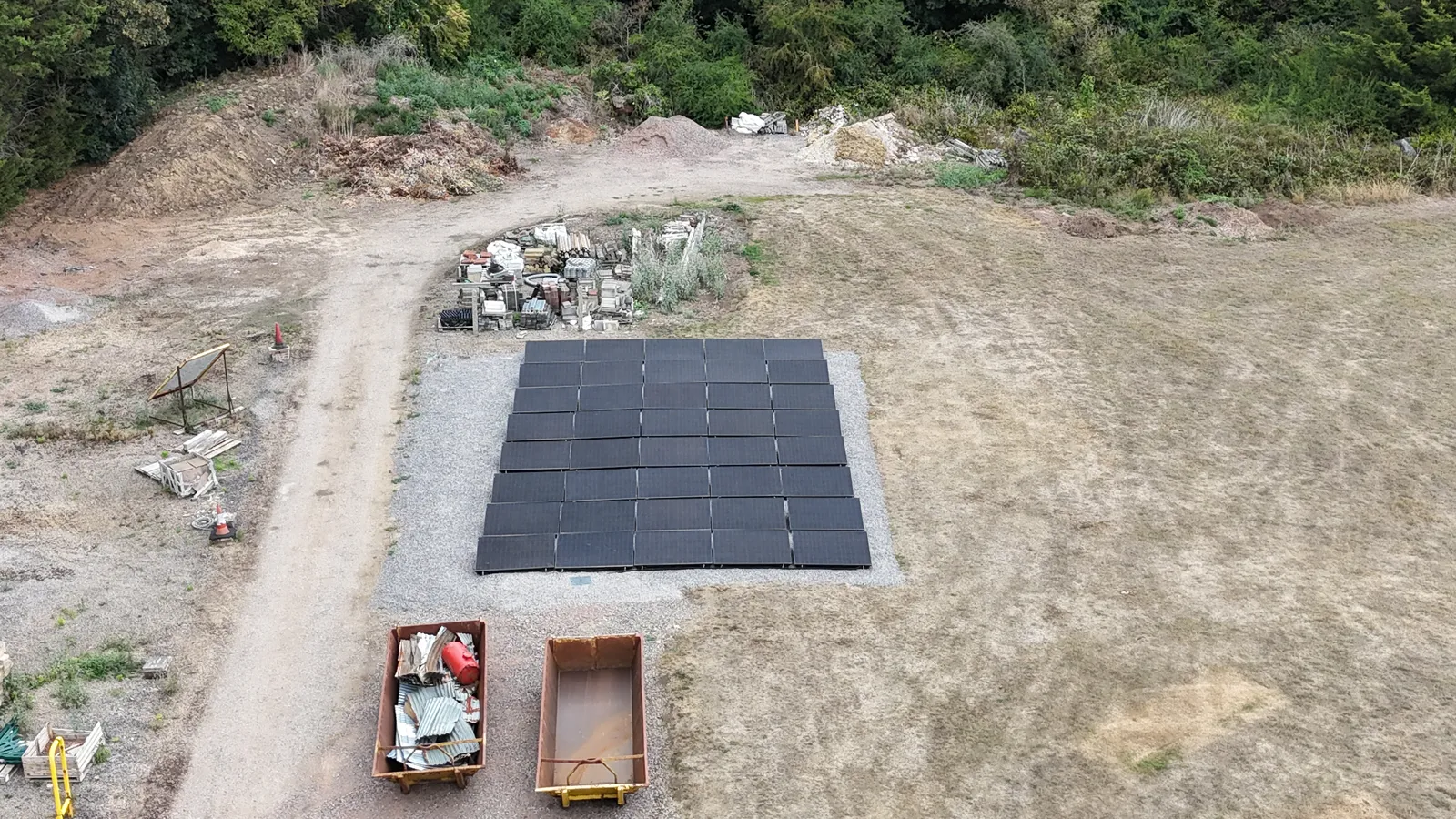
Roof PV on agricultural buildings is permitted development under Class A of the General Permitted Development Order — no planning needed, no application costs, no risk of refusal. Ground-mount above 9m² needs full planning permission and a heritage statement if anywhere near a listed building or conservation area. Most KMM farm installs combine both: roof PV on the grain store for fast PD-route delivery, plus a smaller ground-mount array on an under-used paddock for additional capacity.
SFI cross-compliance
If you receive Sustainable Farming Incentive payments, the ground-mount installation can affect your SFI status on the affected parcel. We coordinate with your farm advisor before design-freezing any ground-mount project. Most ground-mounts under 30kWp on a paddock that was already used only for occasional sheep grazing have no SFI impact whatsoever.
Diesel displacement
Dairy farms with diesel-pumped milking parlours can use solar generation to charge a battery during the day and run the parlour from battery overnight. We have designed two such systems in Lincolnshire in 2025, each displacing 800-1,200 litres of red diesel annually — a real annual saving of £900-£1,400 on diesel alone.
Grant routes
Lincolnshire County Council operates the Rural Business Grant offering up to £40,000 toward capital projects in agricultural and rural businesses. Solar PV qualifies. Nottinghamshire County Council periodically runs net-zero business grants. We track all active rural energy schemes and apply on behalf of clients.
Watch related KMM videos
Real KMM customers and projects on this topic — short, no-fluff videos.


Request a Fully Funded Electrical & Structural Survey
Tell us about your roof, your bills and your goals. KMM runs a fully funded electrical & structural survey, designs a system, runs the numbers and tells you honestly whether solar makes sense for you. No deposit, no pressure.
Fully Funded Survey → 0115 647 3822