
The Three Most Common Battery Sizing Mistakes in 2026
Why bigger batteries don't always mean better paybacks — three sizing mistakes we see weekly in quotes from competing installers.
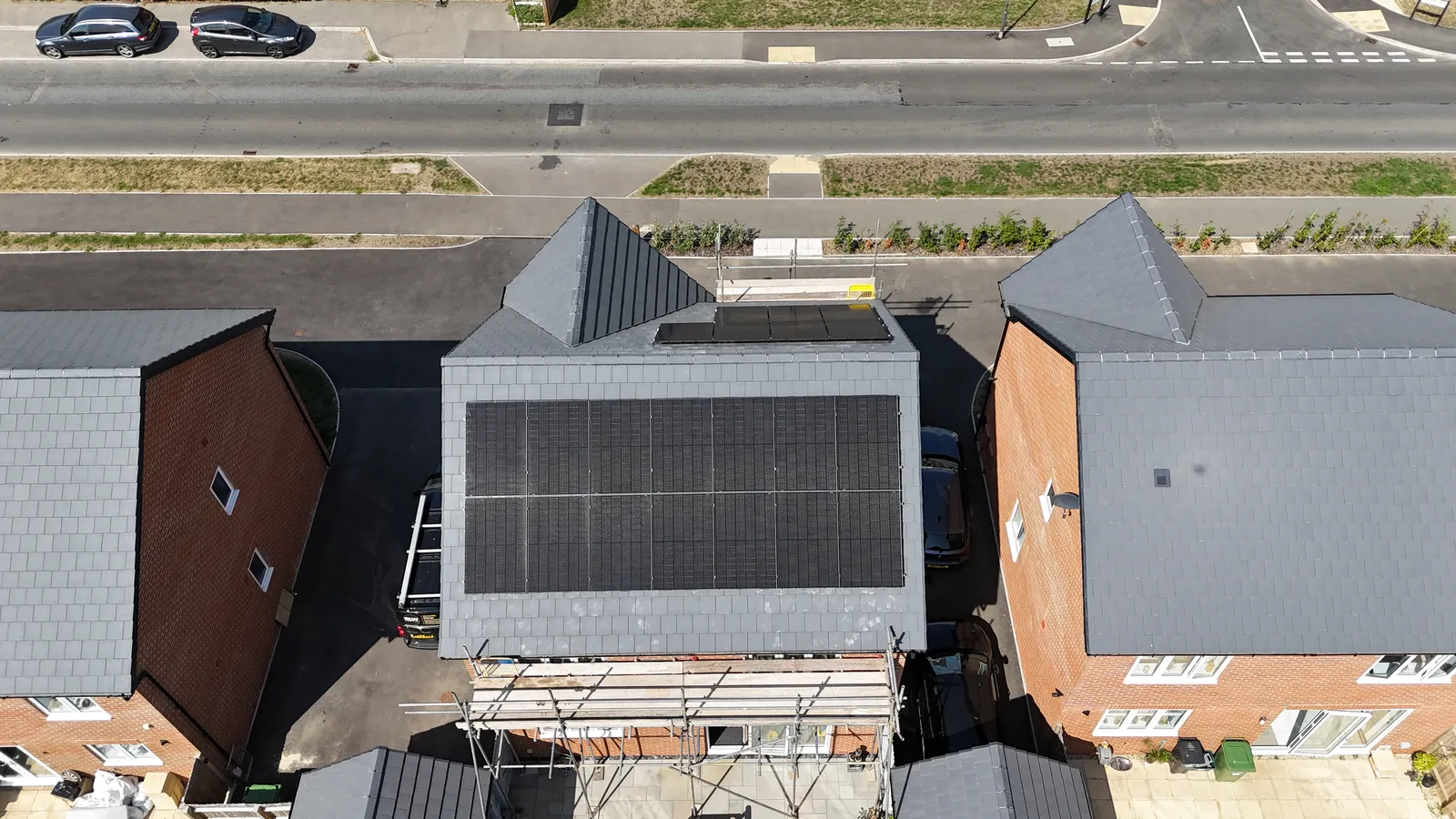
Mistake 1: Oversizing the battery
The most common battery quote we see for a 4-bed family home is 13.5kWh of usable storage. The most common usable cycle on a 4-bed family home is 6–8kWh. The extra £2,500 of battery never cycles. Total payback worsens by 2–3 years.
Our recommendation for a typical 4-bed family home with a 4.3kWp solar system: 9.5kWh of usable storage. It cycles fully in summer, partial in winter, and the payback maths actually works.
Mistake 2: Sizing for the wrong tariff
A battery sized for self-consumption on a 25p flat-rate tariff is a very different battery than one sized for arbitrage on Octopus Cosy (7p overnight, 28p peak). The same battery can be the right answer for one tariff and the wrong answer for the other.
If you're on a time-of-use tariff with significant differential, your battery wants to be bigger and cycle harder. If you're on a flat tariff, your battery wants to match solar generation closely.
Mistake 3: Underspeccing the inverter
Hybrid inverters limit how fast the battery can charge or discharge. A 5kW hybrid inverter on a 13.5kWh battery means the battery takes 2.5 hours to fully discharge — so during a peak-hour evening, the battery can only cover 5kW of household load even if the battery has plenty of energy left. Match the inverter's continuous AC output to your evening peak load.
Watch related KMM videos
Real KMM customers and projects on this topic — short, no-fluff videos.

Request a Fully Funded Electrical & Structural Survey
Tell us about your roof, your bills and your goals. KMM runs a fully funded electrical & structural survey, designs a system, runs the numbers and tells you honestly whether solar makes sense for you. No deposit, no pressure.
Fully Funded Survey → 0115 647 3822